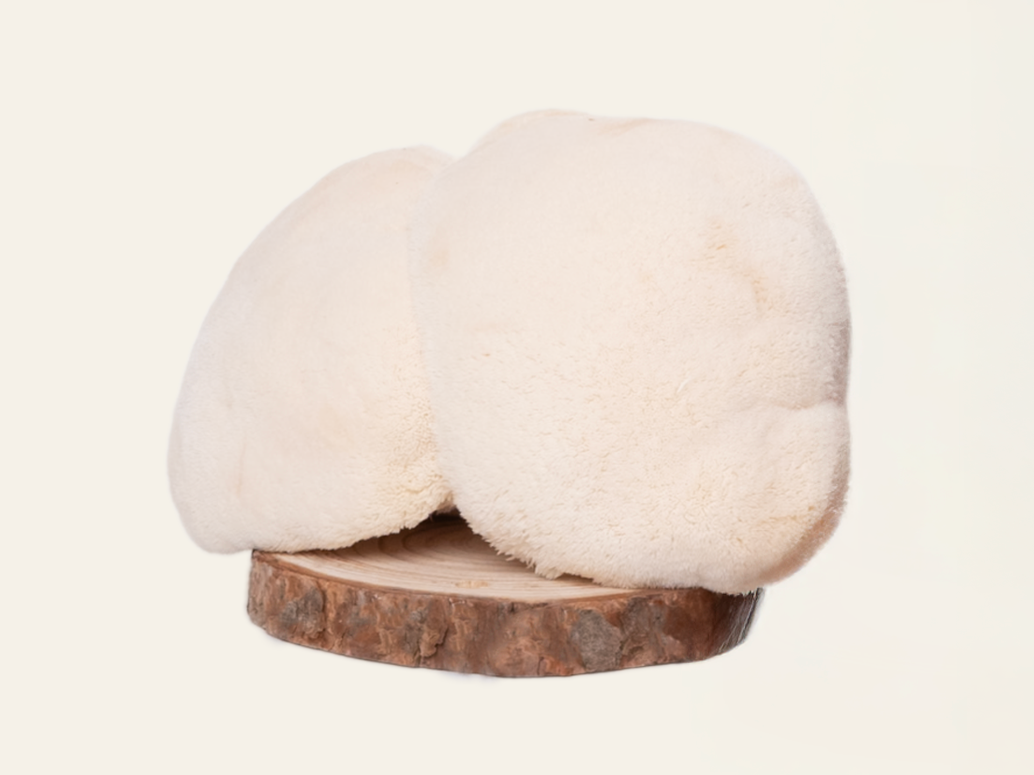
Meet the mushroom with a mane, Hericium erinaceus, better known as lion’s mane. It’s a curious-looking mushroom that’s shaggy and resembles a lion’s flowing mane. Let’s journey through lion’s mane’s rich history and explore the research that’s bringing it into the spotlight. Whether you’re a seasoned myco-enthusiast or just mushroom-curious, stick around—there’s a lot to discover about this fungi.
An introduction to lion’s mane
Long treasured in traditional Chinese and Japanese medicine, lion’s mane has been brewed, cooked, and powdered for centuries. But this ancient fungus isn’t just a relic of the past. In recent years, modern science has taken a serious interest in lion’s mane, and the results are turning heads. Lion’s mane is earning its place as a go-to ingredient for health.
The science behind lion’s mane
Lion’s mane supports our bodies in many ways. Like most mushrooms, lion’s mane is known for its medicinal properties thanks to its composition. It contains active compounds like beta-glucans, triterpenoids, ergosterol and statins. These compounds help with immunity. Lion’s mane mushrooms are also shown to support immune modulation.
Immune support
Lion’s mane offers support for the immune system, thanks to its rich supply of beta-glucans and compounds.
Adding lion’s mane to your daily routine
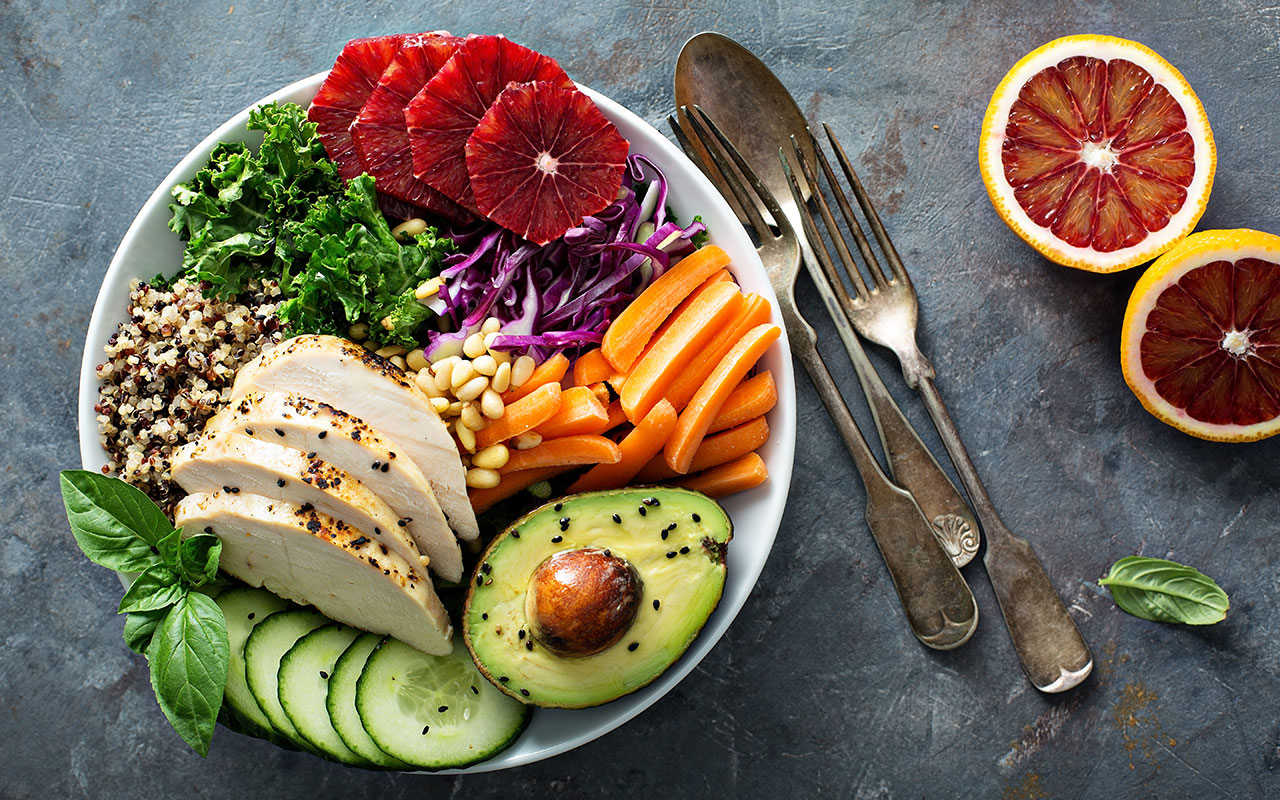
Incorporating lion’s mane into your daily routine is easier than you might think. It’s often used in recipes as a meat substitute because of its mild, seafood-like flavour and meaty texture. You can use it in recipes for tacos, soups, and stews, or simply try sautéing it in a little butter. This mushroom can also be consumed in powder form and added to your coffee or smoothies. However you take it, consistency is key to feeling the long-term benefits.
Supplementing with lion’s mane
When choosing a medicinal mushroom supplement, it’s best to read up on product sourcing and ingredients to find the best fit for you. While the entire mushroom can be used, some supplements only use the fruiting body extracts (from the cap and stem), the mycelium (the root system), or a combination of both. The extraction method also plays a key role, with the most common methods being alcohol extraction and hot water extraction. When combined, the mycelium and fruiting body extract ensure you get a highly potent dose of powerhouse antioxidants, filled with all the beneficial compounds to support your health goals.
CanPrev’s Lion’s Mane Full Spectrum 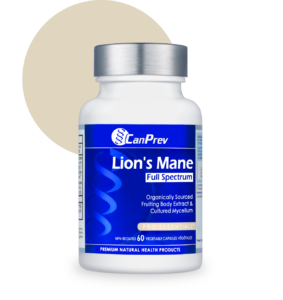
Our daily Lion’s Mane supplement is made with organic mushrooms sourced from both the mycelia and fruiting body. CanPrev’s fruiting body extracts utilize both hot water and alcohol extraction methods to maximize the bioavailability of active compounds found in the fruiting body of the mushroom. They’re guaranteed to contain key bioactive compounds, using industry-leading “fingerprinting” testing. Combining the mycelium and fruiting body extract means you get the full spectrum of medicinal compounds for a full spectrum of benefits. It’s a simple dose of one capsule per day, delivering 250mg of lion’s mane fruiting body extract and 200mg of lion’s mane mycelium.
Add Lion’s mane as part of your daily health routine and let your body roar.
Sources:
Immunomodulatory effects of Hericium erinaceus derived polysaccharides are mediated by intestinal immunology
Composition and antioxidant activity of water-soluble oligosaccharides from Hericium erinaceus
The Acute and Chronic Effects of Lion’s Mane Mushroom Supplementation on Cognitive Function, Stress and Mood in Young Adults: A Double-Blind, Parallel Groups, Pilot Study
Neurotrophic properties of the Lion’s mane medicinal mushroom, Hericium erinaceus (Higher Basidiomycetes) from Malaysia
Therapeutic Potential of Hericium erinaceus for Depressive Disorder





Leave A Comment