The liver is one of the most vital organs in the body, filtering over 250 gallons of blood per day. From breaking down nutrients and fats for energy to removing excess hormones and environmental toxins, it’s an organ that has to process a lot.
Our lifestyle and nutrition habits play a role in keeping the liver functioning optimally. When we don’t follow a liver-loving lifestyle, it can overload this important organ and lead to conditions like fatty liver. Let’s dive into what fatty liver entails, factors that contribute to an unhealthy liver and how to support liver health.
What does fatty liver mean?
In simple terms, non-alcoholic fatty liver disease (NAFLD) or fatty liver involves having an accumulation of excess fat in your liver cells. While experts are still studying what causes NAFLD, research suggests that certain health conditions like obesity, type 2 diabetes, and metabolic syndrome, genetic history, your diet and digestive system health can all play a role.
When to speak to your healthcare practitioner
The tricky thing about fatty liver disease is that it tends to be silent, with few to no symptoms. But some concerns to bring up with your healthcare practitioner can include:
- Extreme fatigue
- Discomfort in the upper right side of your abdomen
- Bloating and indigestion
- Skin conditions
- Brain fog
If your practitioner wants to take a closer look at what you’re experiencing, they may request a blood test that measures A1C or blood glucose levels, a complete blood count, metabolic and lipid panels, and liver function tests. Make sure to bring up any concerns you have, including whether you should be assessed for fatty liver.
Daily habits that keep your liver healthy
If you’re looking for ways to give your liver some love, try incorporating these into your daily routine.
Move your body consistently
Regular physical activity is always good for your health, and it’s great for your liver too! Even short walks after meals can help reduce the burden on your liver and keep it functioning optimally. Research suggests that short, intermittent bouts of postmeal walking, especially after dinner, is an effective way to lower glucose levels. This, in turn, has been said to lower the risk for low-grade inflammatory diseases, including fatty liver disease.
Keep up the hydration
Without enough fluids, your liver has a harder time removing or flushing out toxins from your body. Staying hydrated helps keep things moving and prevents buildup of toxins.
Prioritize sleep and stress management
Sufficient rest and soothing strategies to manage daily stress do wonders for both your body and mind. In fact, studies show a bidirectional link between sleep disturbances and liver diseases, with poor sleep behaviour promoting liver disease. Insufficient sleep not only impacts cognitive function and psychiatric health but also affects the development of weight gain and obesity, metabolic syndrome, and more, all of which are factors that impact liver health.
That’s why it’s important to prioritize sticking to regular sleeping patterns, and when things start to feel overwhelming, try to take a moment for yourself. Your liver will be sure to thank you.
Nutrition tips for a healthy liver
Your liver may not be the first organ that comes to mind when you think of the digestion process. But it actually does play a role. After your stomach acid breaks down the foods you eat and makes something called chyme, your pancreas, liver and gallbladder work together to further process the nutrient content. At this stage, your liver is specifically responsible for making bile to break down fats, storing fat-soluble vitamins like vitamins A and D for future use and moving any excess fat to the intestines for elimination. With a poor functioning liver, this part of the process is impacted, leading to an accumulation of fat.
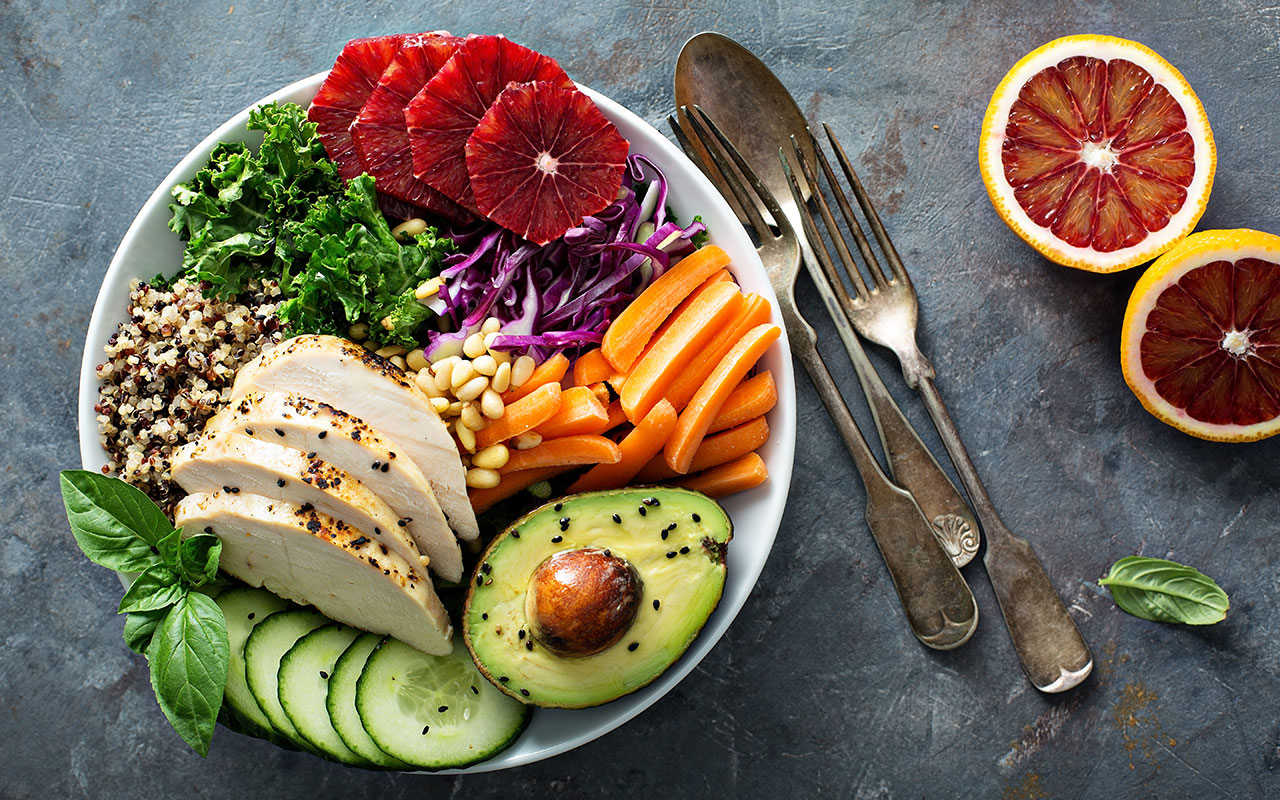
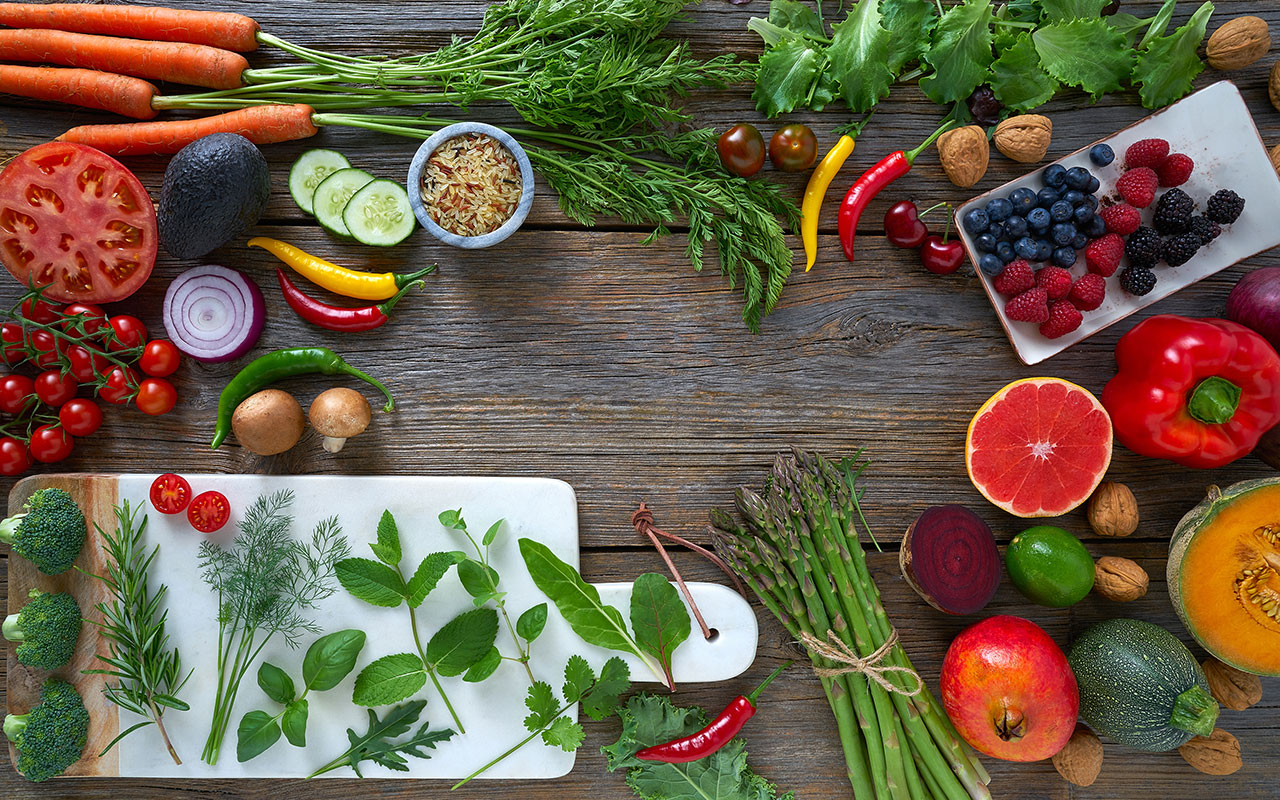
Reducing sugary drinks, processed foods, and alcohol consumption is one of the first steps to a healthy, happy liver. These tend to increase the production of fat in your liver. Instead, a balanced diet with whole foods, rich in antioxidants and fibre go a long way in supporting liver function. While antioxidants help combat oxidative stress and reduce inflammation in the liver, fibre supports smooth digestion, regulates blood sugar levels and ultimately supports liver health. Fruits and vegetables like berries, dark leafy greens, and broccoli, and eggs and salmon for their choline content are great sources of antioxidants and fibre.
Your fatty liver support checklist
As you get back to your day, here’s a simple checklist to help you remember how to support your liver. The best part is, you’ve already completed the first one!
- Understand what fatty liver means
- Check in with your healthcare practitioner if you have any concerns
- Incorporate liver-loving habits into your daily routine
- Build a more liver-supporting plate for your meals
- Continue to expand your knowledge on liver health, digestion, and detox
Your liver works hard to keep you healthy, so it’s only fair you return the favour. Start making changes that your liver will appreciate today.
Sources:
Nonalcoholic fatty liver disease
Definition & Facts of NAFLD & NASH
Metabolic Dysfunction-Associated Steatotic Liver Disease (MASLD)
Fruit Fiber Consumption Specifically Improves Liver Health Status in Obese Subjects under Energy Restriction
Three 15-min bouts of moderate postmeal walking significantly improves 24-h glycemic control in older people at risk for impaired glucose tolerance
After Dinner Rest a While, After Supper Walk a Mile? A Systematic Review with Meta-analysis on the Acute Postprandial Glycemic Response to Exercise Before and After Meal Ingestion in Healthy Subjects and Patients with Impaired Glucose Tolerance
The Beauty Sleep to Keep a Healthy Liver