Antioxidants: Your heart’s protection plan
This article is part of our 4-part Heart Health series on heart health and antioxidant support.
From the traditional food pyramid to the rise of vegetarian and vegan diets, fruits and vegetables have always been considered a foundation of healthy eating. They offer a wide range of benefits, but most notably, they’re an excellent source of antioxidants. As we covered in the previous article, antioxidants play an important role in keeping our bodies balanced to mitigate the effects of oxidative stress. But what do antioxidants do for your heart? Let’s look at the different types of antioxidants, what they do, and how they work together as a team to support your health.
How antioxidants defend your cells
Antioxidant is a general term used for any chemical that counteracts reactive molecules (or free radicals) before they can damage cells. But how do they achieve this? Free radicals don’t have enough electrons, making them unstable. To fix this, they steal electrons from other cells, damaging them in the process. Antioxidants protect your cells by donating their own electrons to neutralize free radicals before they can cause any damage.
It’s important to remember that free radicals are a byproduct of our metabolic process. The goal isn’t to eliminate them—it’s to restore balance and build resilience.
Your heart’s antioxidant team
It’s easy to think of antioxidants as one thing, but there’s no single nutrient that can keep you protected. In reality, antioxidants work best in teams, each with its own role to play. Together, they provide powerful protection against the damage of free radicals.
Role 1: Front-line defenders
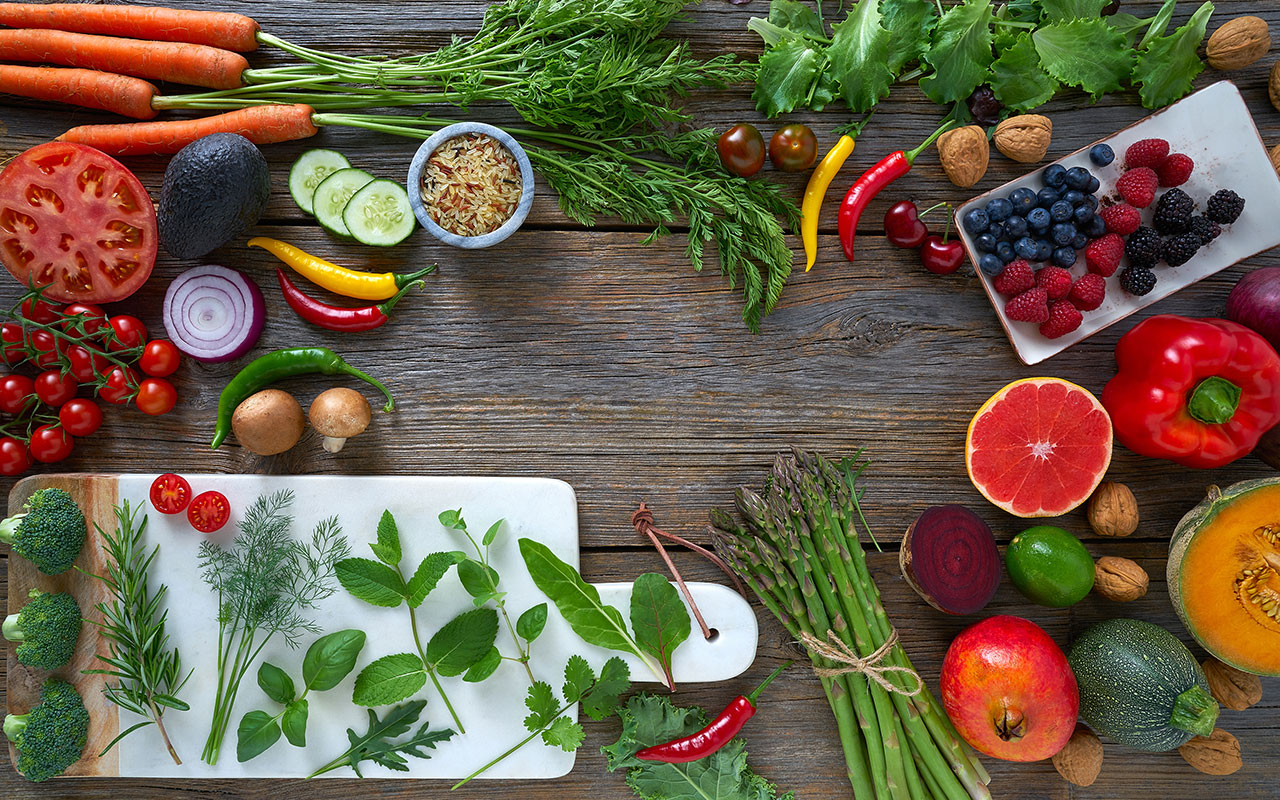
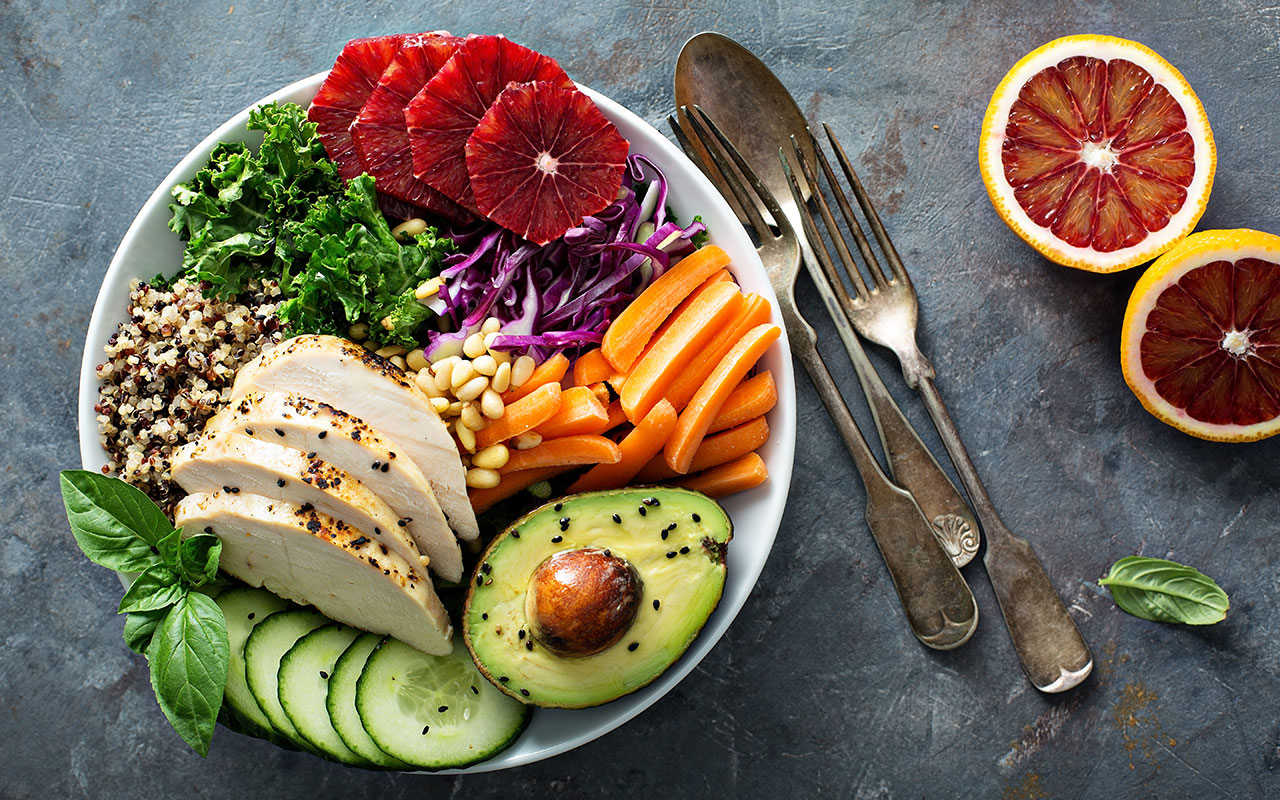
Plant-based foods like colourful fruits and vegetables serve as your primary source of protection. They are rich in antioxidants and provide your body with vitamins and plant compounds like polyphenols that bolster your body’s defences.
Antioxidant-rich foods:
- Berries
- Legumes & beans
- Nuts and seeds
As your front-line defenders, antioxidant-rich foods should be eaten in abundance. They all contain different types of antioxidants, so eating a variety of these plant-based foods is the best approach.
To support your healthy diet and fill in any gaps in your nutrient intake, you can add a polyphenol-focused supplement like CanPrev’s Resvera-Pro to ensure you’re getting a consistent source of antioxidants.
Role 2: Behind-the-scenes helpers
Nutrients like zinc and copper aren’t on the front line like antioxidants—they serve as support for your body’s natural defence systems. Your body produces antioxidant enzymes to aid in the defence against free radicals. These nutrients are the maintenance crew that keeps that system running smoothly.
For a consistent source of these nutrients, consider supplementing with CanPrev’s ACES + Zinc & Copper, an herb-free synergistic formula that can provide antioxidant support.
Role 3: The energy defender
Coenzyme Q10 or CoQ10 is a vital nutrient for both hearth health and antioxidant support. Think of it as a strategic defence team that’s deployed to protect your most valuable asset—your heart. To fully understand its value, we need to give a quick explanation of how it works.
What is CoQ10?
CoQ10 is a vitamin-like, fat-soluble nutrient that’s naturally produced by the body and found in every cell. Primarily, it drives the production of adenosine triphosphate (ATP), the energy source of our cells. CoQ10 is typically found in high concentrations around the heart because it helps provide the massive amount of cellular energy required for proper heart contractions.
The dual role of CoQ10
CoQ10 sits at the intersection of energy production and antioxidant support. Not only does it serve as fuel for your cells, but it’s also a powerful antioxidant. It drives cellular energy production while protecting your cells from the free radicals created by the energy production process itself.
The most common forms of CoQ10
If you’ve ever looked at CoQ10 supplements, you may have seen different names listed on the labels. Most commonly, you’ll see either CoQ10 or Ubiquinol. The simple explanation is that CoQ10 often refers to ubiquinone, the standard form of CoQ10, while Ubiquinol refers to the active form that you’ll often see used in supplements. The active form Ubiquinol is easier to absorb. It also has 2 extra electrons, making it a more effective antioxidant.
Supplementing with CoQ10
Natural production of CoQ10 decreases with age, illness and certain medications. While it’s found in foods like organ meats and sardines, supplements can offer a steady source of this vital nutrient.
CanPrev offers CoQ10 in two forms:
- Ubiquinol 100 with MCT Oil: a convenient softgel option blended with coconut MCT oil for improved absorption.
- Liposomal Coenzyme Q10 75mg – Citrus: a liquid option with a patented delivery system that improves bioavailability by shielding the CoQ10 from the harsh digestive process so it can be absorbed by the intestines.
Remember, antioxidants work best when they operate as a team. Adding more plant-based foods to your plate and supplementing with antioxidant support formulas can ensure that you’re getting all the nutrients you need. In the next article, we’ll explore antioxidant supplement stacks and how they offer both coverage and consistency.
Disclaimer: The material contained in this blog is educational and should not be treated as advice. You must not rely on this information as an alternative to medical advice from your naturopathic practitioner or other health care provider. Do not delay seeking medical advice because of information contained in this guide. Always consult your healthcare practitioner for personalized guidance and before taking any supplements.
Continue the series:
Next in the series: Antioxidant stacks: holistic heart support →
Read the full Heart Health series:




Leave A Comment