Heart-healthy foods for a strong heart
This article is part of our 4-part Heart Health series on heart health and antioxidant support.
We’ve talked about the benefits of supplementing with antioxidant stacks, but it’s important to remember that food should always be at the core of your heart health efforts. As great as it would be, you just can’t make up for a poor diet with supplements. That’s why incorporating heart-healthy whole foods that are rich in nutrients should always be your first step.
What antioxidant-rich really means
Simple definition
Antioxidant-rich foods naturally provide a range of vitamins, minerals and plant compounds like polyphenols that support your body’s entire antioxidant defence team. We’re not talking exotic superfoods added to every meal—just whole foods added consistently.
Building a heart-healthy plate
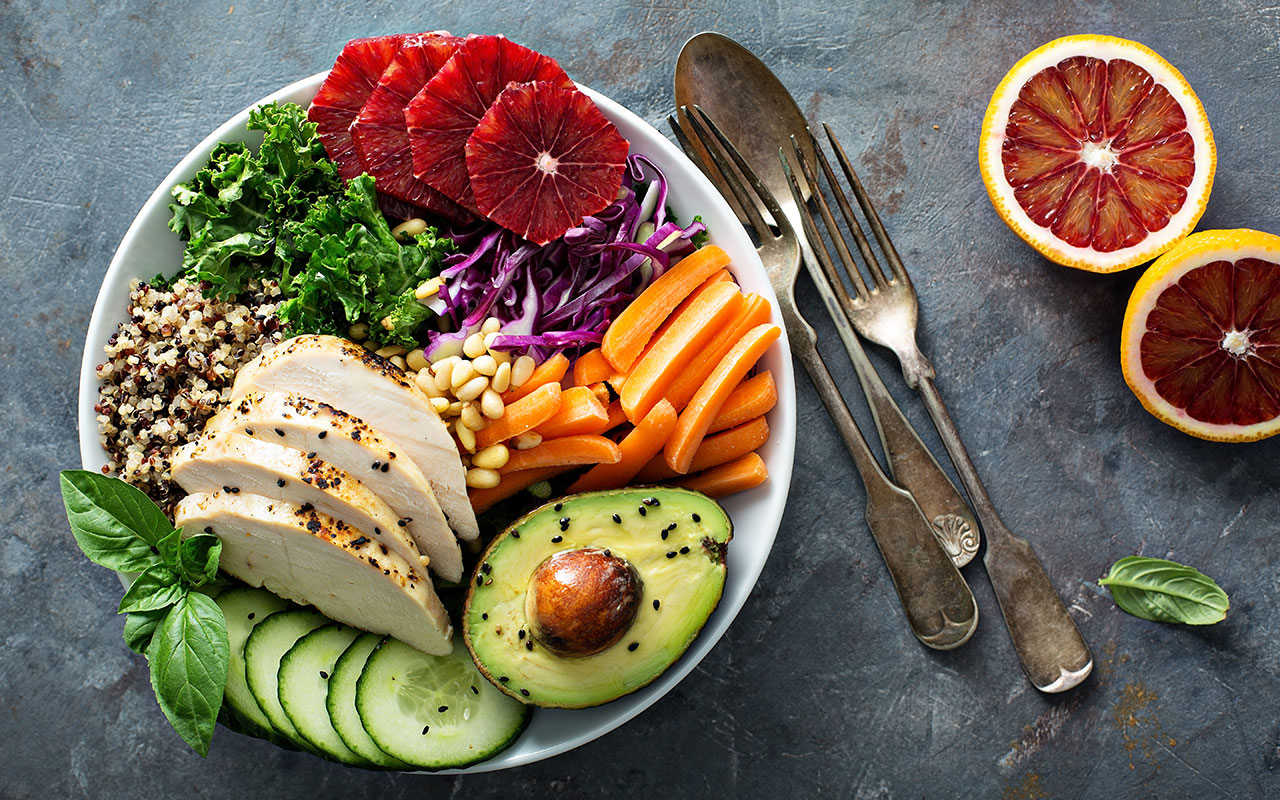
Skip the decision fatigue and keep your meals repeatable with this simple antioxidant plate template. Remember, structure and consistency are better than trying to plan perfect meals.
- ½ plate of plant-based foods: Colourful vegetables first, support with fruit
- ¼ plate of protein: Fish, poultry, tofu, or beans/lentils
- ¼ plate of whole grains or starchy veg: Quinoa, brown rice, oats, or potatoes
- Add healthy fats: Olive oil, nuts/seeds, or avocado
For those hectic days when you don’t have prepared meals, follow this simple rule: 2 colours and a protein. Using this template for lunch and dinner will help keep you on track.
Healthy fats are heart-friendly
Not only do healthy fats make your meals feel more satisfying and flavourful, but they can also improve your heart health. Monounsaturated and polyunsaturated fats can lower bad LDL cholesterol and reduce blood pressure while supporting the absorption of fat-soluble nutrients like vitamin A, D, E and K. Making an olive oil-based salad dressing or topping your meal with nuts and seeds can help you get the most out of your diet.
5 heart-healthy grocery staples
Here are a few easy grocery staples you can add to your shopping cart to ensure that you’ve always got some heart-healthy foods on hand.
- Berries or citrus fruit: Whether fresh or frozen, fruit is packed with antioxidants and makes a great snack or salad topping.
- Leafy green vegetables: Spinach, kale or spring mix can be used in several dishes and is a great way to add a nutrient-packed punch to your plate.
- Cruciferous vegetables: Load up on veg like broccoli, cauliflower and brussels sprouts so you’ve got your plant-based sides covered for every meal.
- Legumes: Lentils, chickpeas and black beans are a great way to add protein, fibre and antioxidants to any meal.
- Nuts and seeds: Raw or dry-roasted walnuts, pecans, and pumpkin seeds are rich in heart-healthy fats and nutrients, ideal for topping salads or satisfying snack cravings.
Simple food swaps
- Lunch: Instead of a highly processed meal, swap for a green bowl with grains, greens and beans.
- Dinner: Instead of getting takeout, swap out for a sheet-pan veg and protein bake.
- Snacks: When you’re craving packaged snacks, swap them out for fresh fruit and berries or nuts and seeds.
Start off strong
We’ve created a guide that offers quick tips and a heart-healthy meal template to help you get started. Feel free to mix and match to create a plan that works for you.
Download Eating for Heart Health Success Tips
Close any gaps with consistency
If you want added consistency and coverage, these supplements can help you strengthen your body’s antioxidant defence.
- Resvera-Pro: A polyphenol-focused blend of synergistic plant-based antioxidants.
- ACES + Zinc & Copper: An herb-free synergistic formula that can support your body’s natural defence systems.
- Ubiquinol 100 with MCT Oil: A convenient softgel containing 100mg of active CoQ10.
- Liposomal Coenzyme Q10 75mg – Citrus: A liquid option with a patented delivery system that improves bioavailability by shielding the CoQ10 from the harsh digestive process. so it can be absorbed by the intestines.
Building consistent heart-healthy meals doesn’t require perfection. Start with a simple template and a few staple foods and repeat what works for you. Remember, small, consistent choices can make a big difference for your heart health in the long run.
Disclaimer: The material contained in this blog is educational and should not be treated as advice. You must not rely on this information as an alternative to medical advice from your naturopathic practitioner or other health care provider. Do not delay seeking medical advice because of information contained in this guide. Always consult your healthcare practitioner for personalized guidance and before taking any supplements.
You’ve reached the end of the series. Want to revisit the full Heart Health lineup?




Leave A Comment