
A little light goes a long way.

As the weather gets colder and our daily dose of sunshine drops, it’s common to feel our moods dip a little, too. With shorter days, comes less natural light and lower D3 levels. For many of us, that can mean things feeling a bit heavier, quieter and less social.

Here’s the bright side: Small acts of kindness can help you get higher in spirits – even on the cloudiest days! Studies suggest that receiving kindness and recognizing it can help boost positive emotions, reducing feelings of sadness, nervousness and loneliness.

Sometimes, a kind gesture is all we need to bring back a bit of sunshine.

Enter our giveaway!
To encourage sharing more of that sunshine with those around you, we asked people to tell us the last time they were on the receiving end of a random act of kindness. By sharing their story, they had a chance to win a year’s supply of the sunshine vitamin or a prize bundle valued over $200.
Although the giveaway is now closed, it will return on Blue Monday, January 18, 2027. Check back for the next opportunity to share your story and help spread a little sunshine!

Enter our giveaway!
To encourage sharing more of that sunshine with those around you, we asked people to tell us the last time they were on the receiving end of a random act of kindness. By sharing their story, they had a chance to win a year’s supply of the sunshine vitamin or a prize bundle valued over $200.
Although the giveaway is now closed, it will return on Blue Monday, January 18, 2027. Check back for the next opportunity to share your story and help spread a little sunshine!

Thank you for sharing
your sunshine!
We’ve got your submission—keep an
eye on your inbox to see if you’ve won.


The neurochemicals behind happiness.
Our moods are supported by four key “happy hormones”, each with its own role in helping us feel balanced.
Disclaimer: This information is for educational purposes only and is not intended to replace medical advice. Always consult your healthcare provider before starting any new supplement to determine what’s right for you.
The neurochemicals behind happiness.
Our moods are supported by four key “happy hormones”, each with its own role in helping us feel balanced.
Disclaimer: This information is for educational purposes only and is not intended to replace medical advice. Always consult your healthcare provider before starting any new supplement to determine what’s right for you.

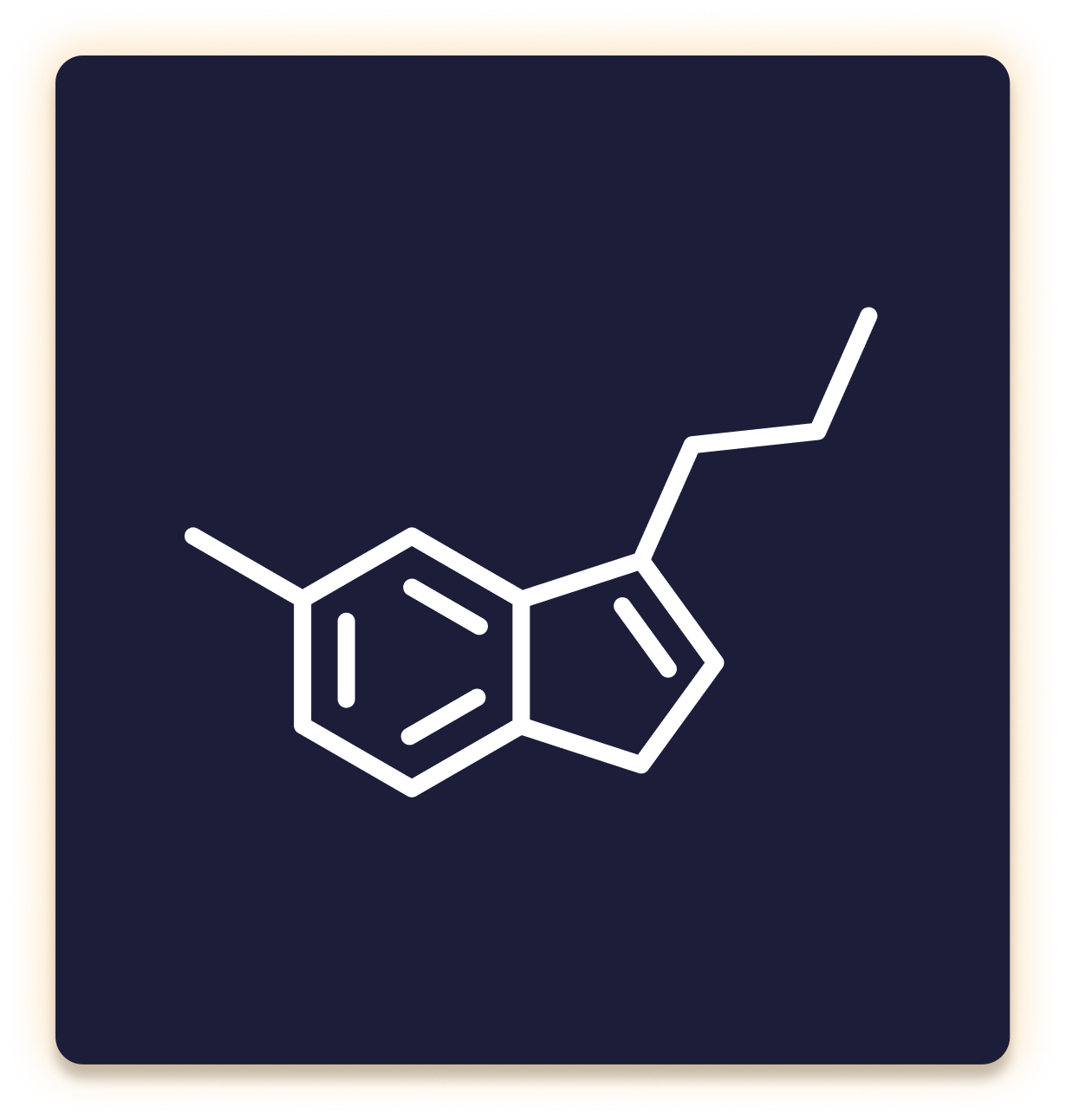
Serotonin
Known as the original happy hormone, serotonin is linked to mood stability and feelings of happiness.

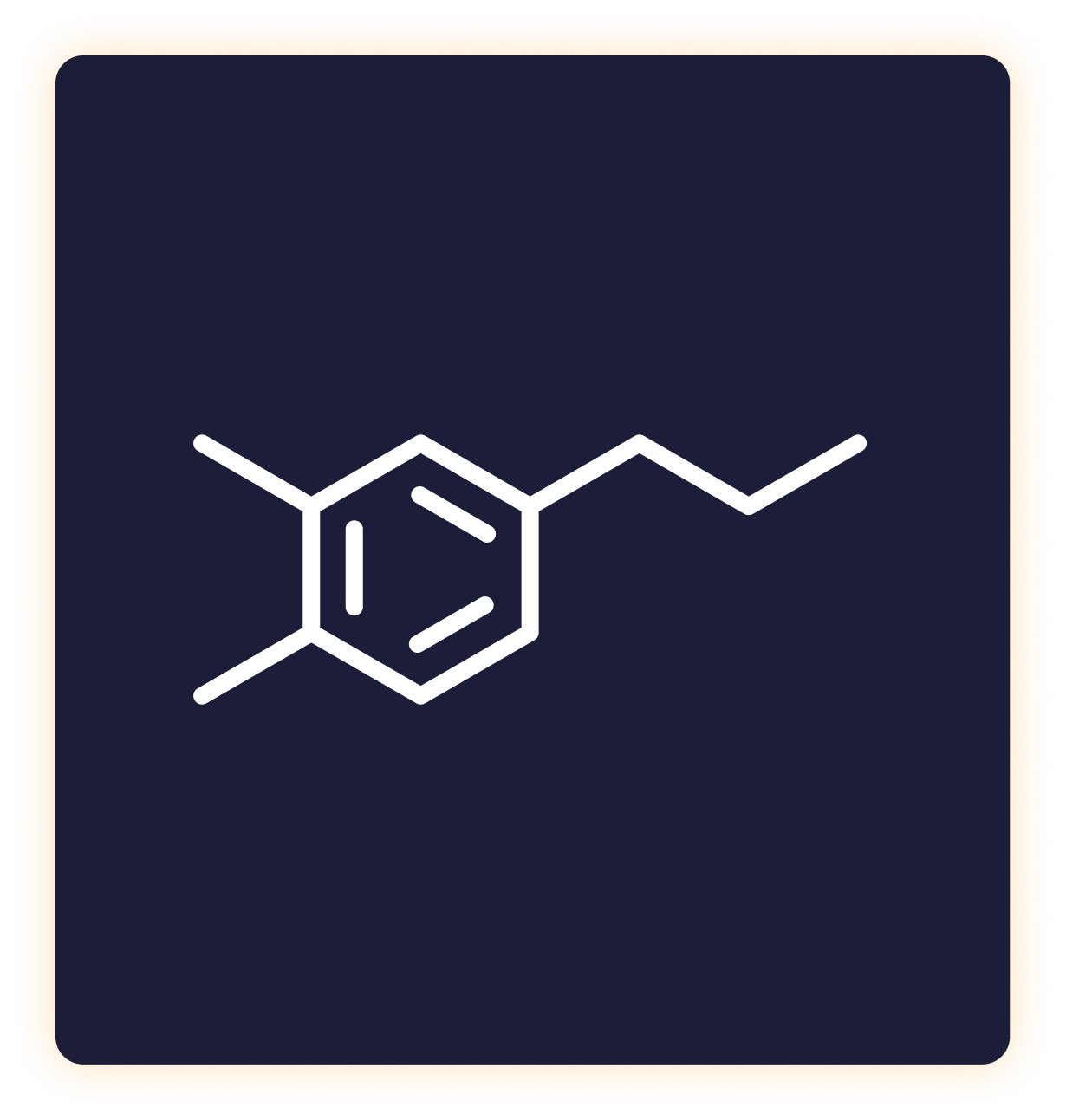
Dopamine
Commonly called the feel-good hormone, dopamine plays a motivating role in the brain’s reward system.

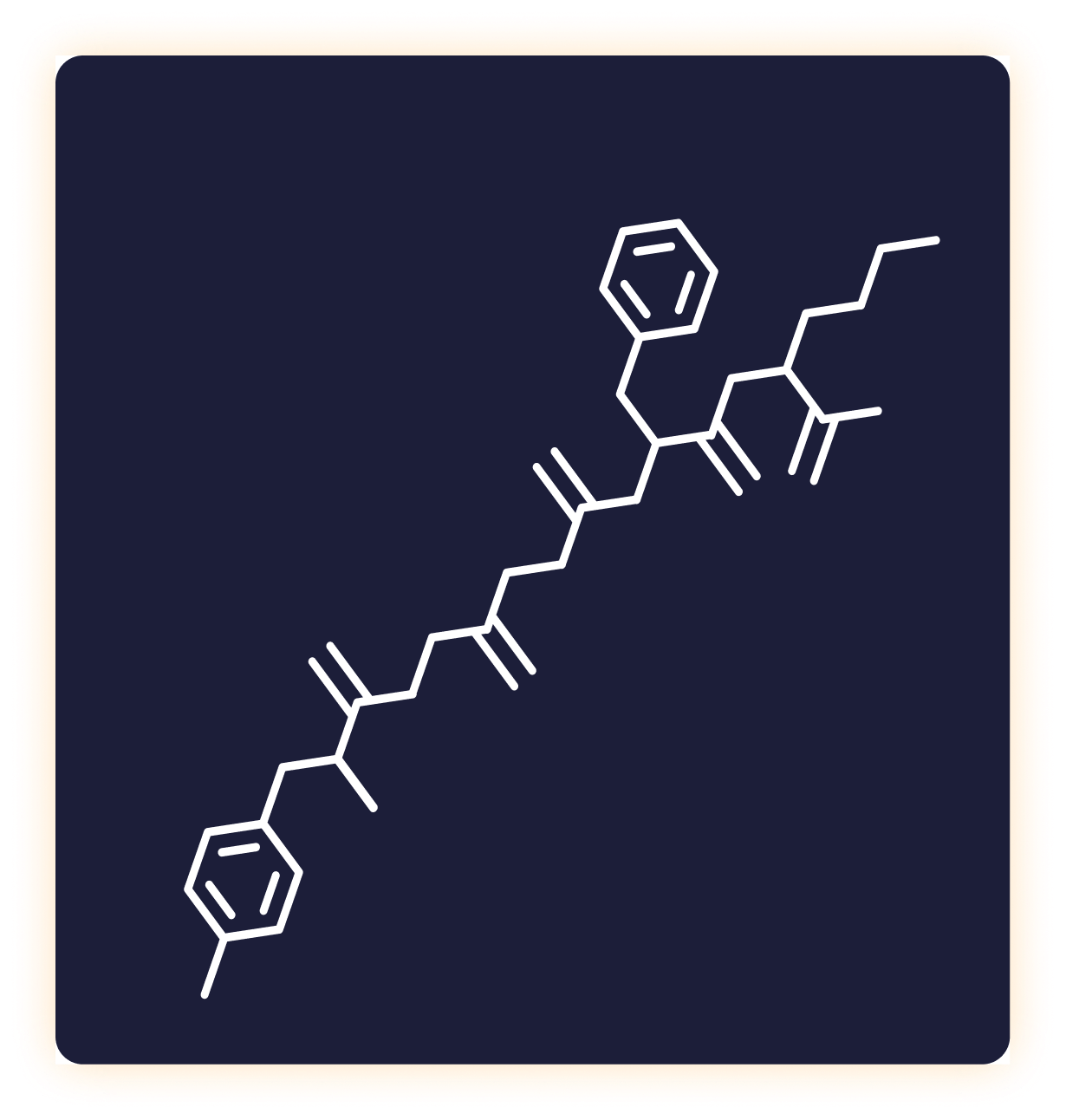
Endorphins
Endorphins are the body’s natural pain relievers, typically released in response to discomfort or stress.

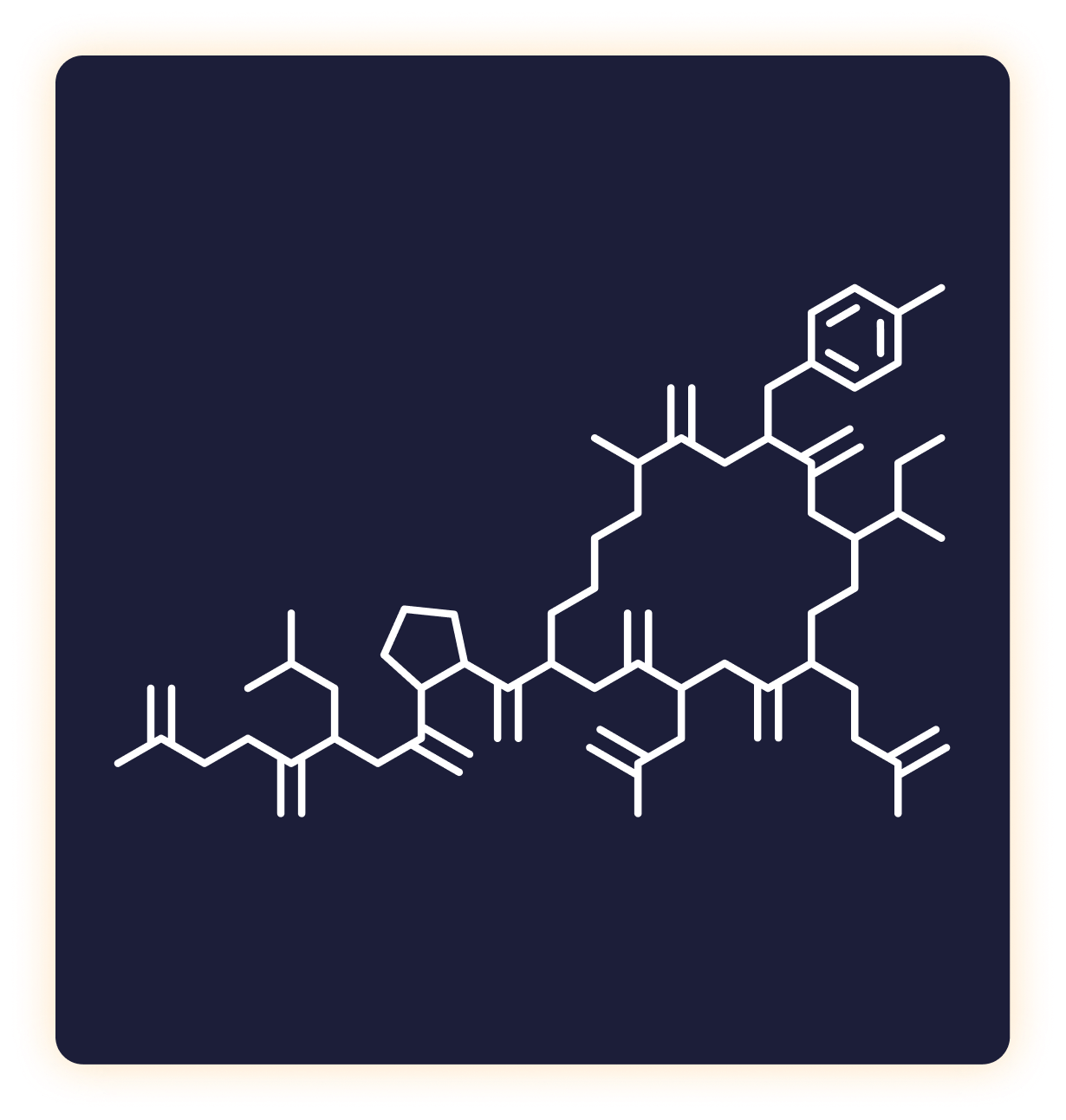
Oxytocin
Referred to as the love hormone, oxytocin helps promote trust, empathy and a sense of belonging.

Serotonin
Known as the original happy hormone, serotonin is linked to mood stability and feelings of happiness.

Dopamine
Commonly called the feel-good hormone, dopamine plays a motivating role in the brain’s reward system.

Endorphins
Endorphins are the body’s natural pain relievers, typically released in response to discomfort or stress.

Oxytocin
Referred to as the love hormone, oxytocin helps promote trust, empathy and a sense of belonging.
Four ways to
feel brighter.
Nourish
Food is a great way to give your body the building blocks it needs to produce happy hormones. Foods that are rich in magnesium, vitamin D, tryptophan and healthy fats are essential for fuelling hormone production. Try to include these nutrient-rich foods in your daily diet.
Your gut microbiome can also affect your brain and cognitive health! Incorporating probiotics into your daily routine can help keep your gut healthy. Learn more here.

Magnesium
Leafy greens, nuts & seeds, whole grains, tofu
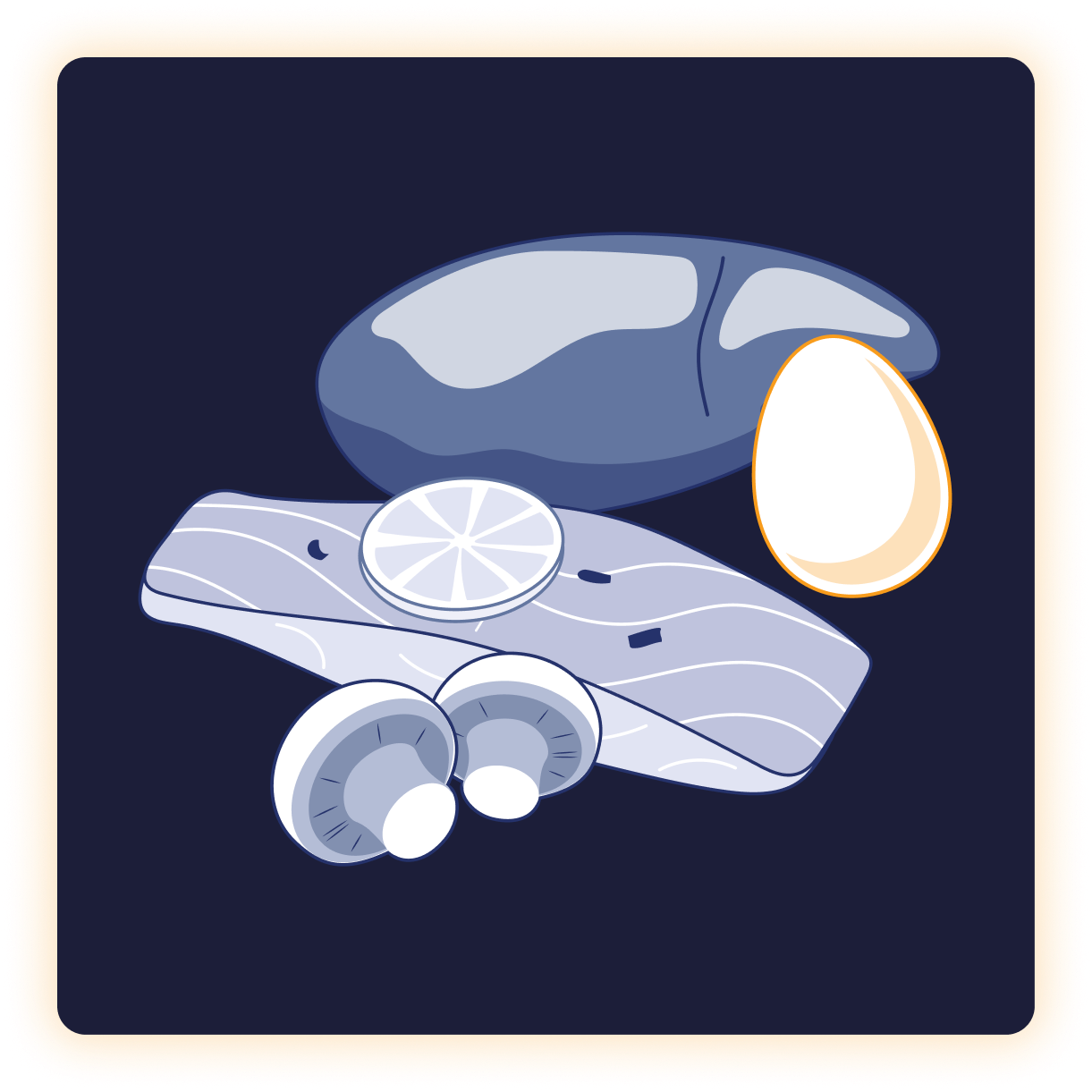
Vitamin D
Salmon, egg yolks, beef liver, mushrooms

Tryptophan*
Chicken, turkey, cheese, whole oats
*An essential amino acid the body uses to make serotonin.

Healthy Fats
Fatty fish, olive oil, soy beans, dark chocolate
Nourish
Food is a great way to give your body the building blocks it needs to produce happy hormones. Foods that are rich in magnesium, vitamin D, tryptophan and healthy fats are essential for fuelling hormone production. Try to include these nutrient-rich foods in your daily diet.
Your gut microbiome can also affect your brain and cognitive health! Incorporating probiotics into your daily routine can help keep your gut healthy. Learn more here.
Magnesium
Leafy greens, nuts & seeds, whole grains, tofu
Vitamin D
Salmon, egg yolks, beef liver, mushrooms
Tryptophan*
Chicken, turkey, cheese, whole oats
*An essential amino acid the body uses to make serotonin.
Healthy Fats
Fatty fish, olive oil, soy beans, dark chocolate
Move
Physical activity offers several mood-boosting benefits. Aerobic exercise triggers the release and increased production of our happy hormones. Exercise can also raise self-esteem, reduce stress and promote better sleep. There’s an ideal exercise for every type of person, so take your pick and get moving!





Rest
Getting a good night’s sleep plays a key role in regulating our happy hormones. When we don’t get enough rest, it disrupts our hormone production cycles, throwing our emotions out of balance. In order to hit your body’s hormonal reset button, you need high-quality rest. Here are a few strategies to get deeper sleep.
To learn more about your sleep cycle, visit canprev.ca/sleep.

Skip the extra coffee
Caffeine can linger in the body for up to 6 hours, so limit your intake after 2pm.

Ditch the doom scroll
Cell phones, tablets, and TV screens emit blue light which affects our melatonin production.

Wind down, not up
Avoid adrenaline-inducing activities before bed. Trade scary movies for reading, soothing music or gentle stretches.

Light up your life
Your body uses light to regulate our sleep schedule. In the darker months, try using light therapy to reset your biological clock.

Getting a good night’s sleep plays a key role in regulating our happy hormones. When we don’t get enough rest, it disrupts our hormone production cycles, throwing our emotions out of balance. In order to hit your body’s hormonal reset button, you need high-quality rest. Here are a few strategies to get deeper sleep.
To learn more about your sleep cycle, visit canprev.ca/sleep.
Skip the extra coffee
Caffeine can linger in the body for up to 6 hours, so limit your intake after 2pm.
Ditch the doom scroll
Cell phones, tablets, and TV screens emit blue light which affects our melatonin production.
Wind down, not up
Avoid adrenaline-inducing activities before bed. Trade scary movies for reading, soothing music or gentle stretches.
Light up your life
Your body uses light to regulate our sleep schedule. In the darker months, try using light therapy to reset your biological clock.
Connect
Socializing can be a powerful mood booster. Studies show that adults with strong social support networks report much higher happiness and psychological wellbeing. Even simple acts of kindness can have a positive impact on both you and your community. So, if you want to share your sunshine, here are a few ways to connect with your community.




Learn more about
the impact of sunshine.
The rays of sunshine travel far – learn more about the connection between mood, vitamin D, and community in our blog.