
Power your day with iron.
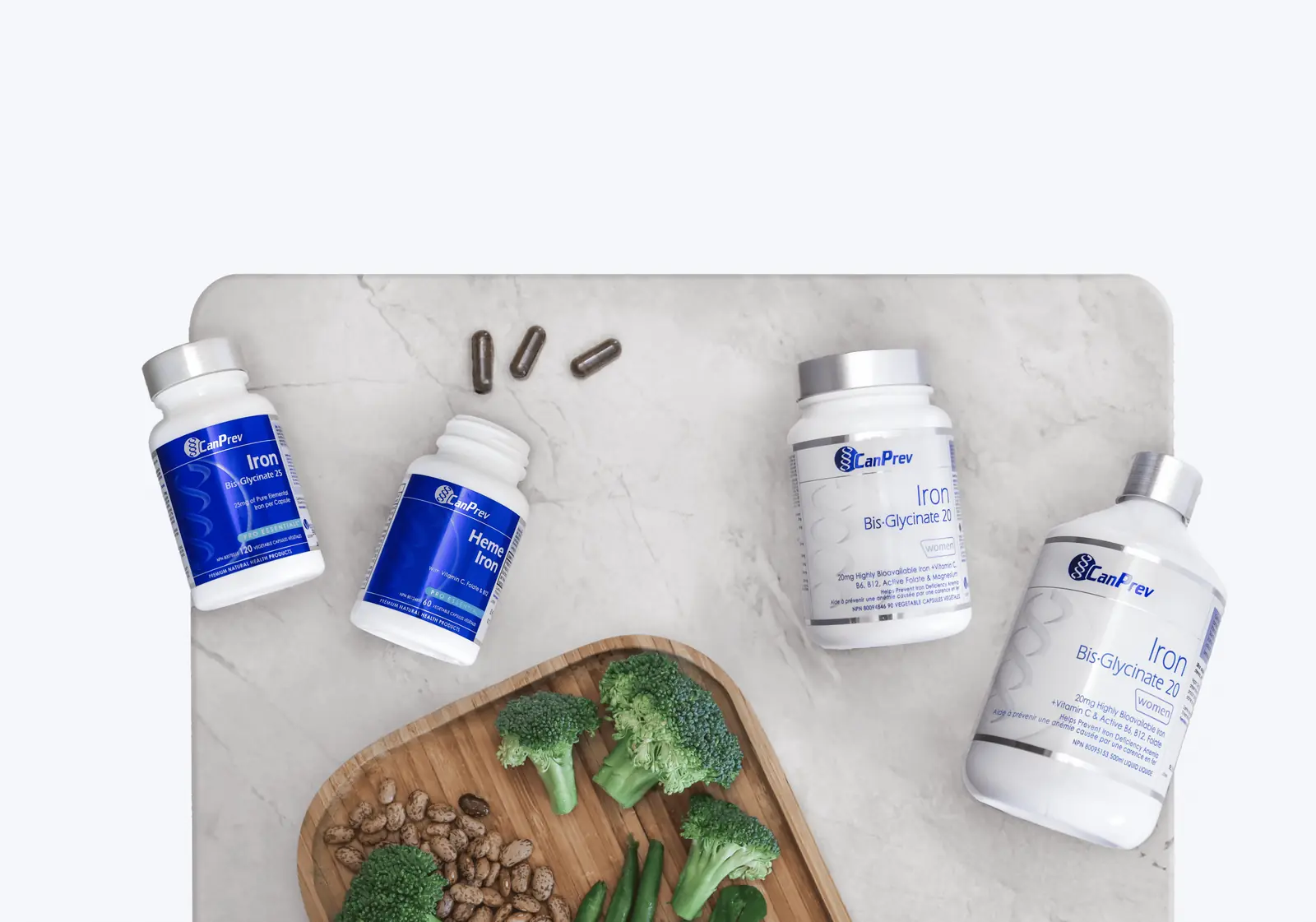
Your body does so much for you, and iron helps keep it all in balance. When iron runs low, you feel it—fatigue, dizziness, and that constant sense of running on empty. Our formulas are designed to replenish and maintain healthy iron levels, so you can feel energized, balanced, and focused every step of the way.
Are your iron levels low?
An iron deficiency can show up in many ways. Here’s what to look out for: Click on the symptoms to learn more.
- Pale or lackluster skin?
- Tired all the time?
- Thinning hair or brittle nails?
- Lacking strength?
- Frequent headaches?
- Cold hands and feet?
- Mood a little off?
- Often feeling dizzy or lightheaded?
- Shortness of breath?
Who is more prone to iron deficiency?
The must-have mineral that keeps you going
Iron is an essential mineral that helps create a protein in red blood cells called hemoglobin, which transports oxygen throughout your body. It fuels your energy, focus, and endurance by ensuring your muscles, brain, and organs get the oxygen they need to function properly. When iron levels drop, your body can’t deliver oxygen as efficiently, which can lead to fatigue, dizziness, and mental fog. While iron plays a key role in keeping energy levels steady, the benefits don’t stop there.
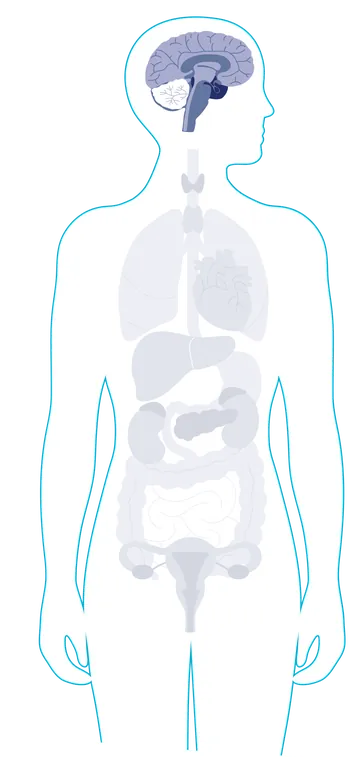
Supports brain function
Iron is an essential part of the early production stages of neurotransmitters like dopamine and serotonin, which help regulate mood and cognitive function. Iron deficiency can lead to difficulty concentrating, memory issues, and even feelings of irritability.
Dietary sources of iron

Shellfish
- ✓ Clams
- ✓ Oysters
- ✓ Mussels

Dark leafy greens
- ✓ Broccoli
- ✓ Spinach
- ✓ Swiss chard
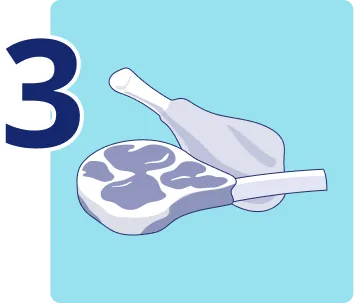
Red meats
- ✓ Beef
- ✓ Turkey
- ✓ Liver

Legumes
- ✓ Beans
- ✓ Lentils
- ✓ Chickpeas
- ✓ Peas & soybeans
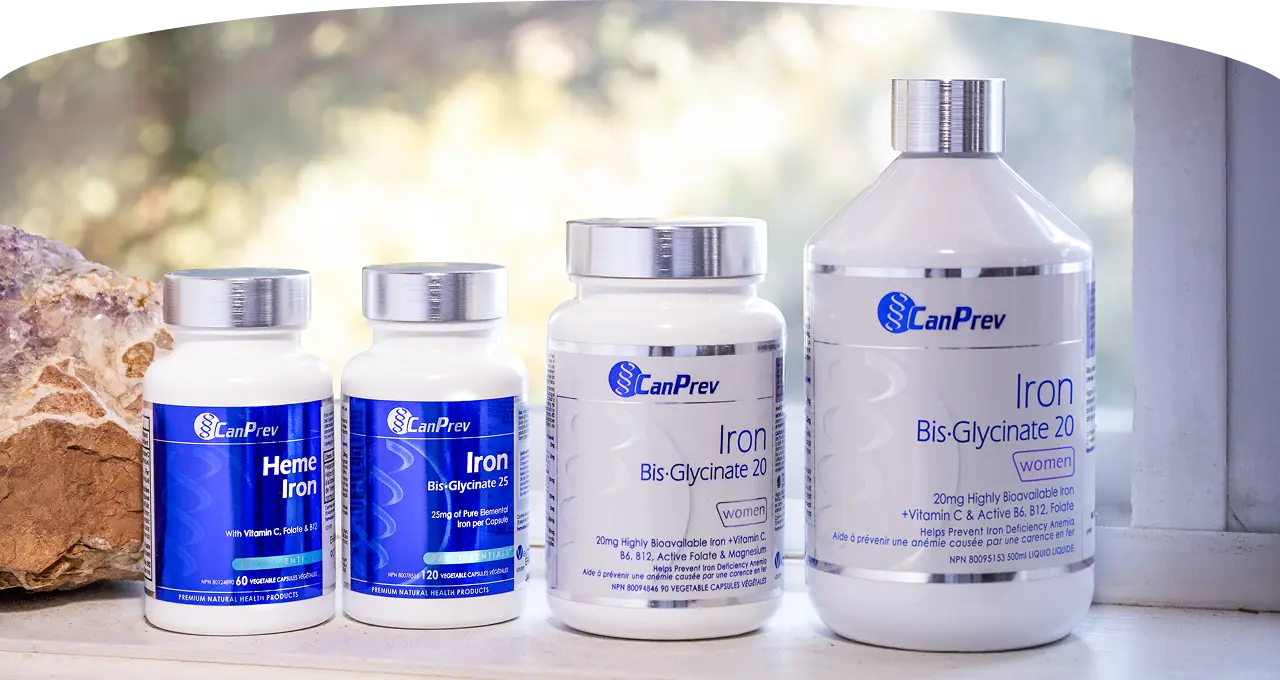
Check out CanPrev’s iron products
Iron bis-glycinate is a chelated form of iron to help with absorption. The iron is bound to other compounds that make it easier for the body to absorb iron while being gentle on the stomach.
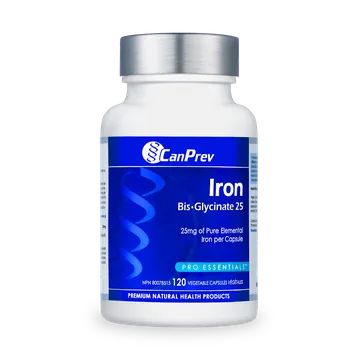
Iron Bis-Glycinate 25
Formulated with 25mg of chelated iron in every capsule for gentle absorption. A reliable option for everyone, including vegetarians and vegans.
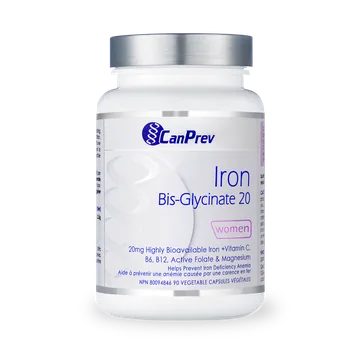
Iron Bis-Glycinate 20
Made with chelated iron bis-glycinate to deliver 20mg of iron that is easy to absorb and gentle on the stomach. This formula includes vitamins C, B6, B12, folic acid, magnesium and copper to maximize absorption.
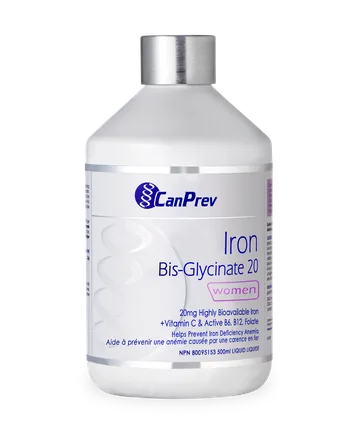
Iron Bis-Glycinate 20
Liquid formula made with chelated iron bis-glycinate to deliver 20mg of iron that is easy to absorb and gentle on the stomach. This formula includes vitamins C, B6, B12, folic acid, magnesium and copper to maximize absorption.
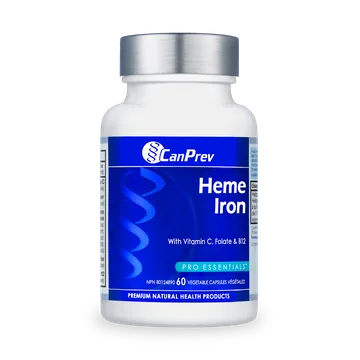
Heme Iron
The most easily absorbed form of iron with an infinite capacity for absorption by the body. Great for those having trouble raising their iron levels.
How to increase
iron absorption
There are two types of iron that can be found in food: heme and non-heme iron. Non-heme iron is derived from plant-based sources and heme iron comes from animal sources. Heme iron has a higher bioavailability, meaning the body is able to absorb more of it.
If you’re looking to boost your iron absorption with a non-animal source, consuming vitamin C can help the body better absorb non-heme iron.
On the other hand, certain minerals can inhibit the body’s ability to absorb iron including phytate and calcium. It’s recommended to space out the consumption of these minerals and iron to optimize absorption.
Frequently asked questions
Iron and pregnancy
Is it safe to take iron supplements during pregnancy?
Yes, iron supplements are generally safe and often recommended during pregnancy. Pregnant women need more iron—about 27 mg per day—because it supports the increased blood volume and helps deliver oxygen to the baby. Low iron levels can lead to anemia, which may increase the risk of preterm delivery or low birth weight. However, always consult your healthcare provider before starting any supplement, as they can recommend the right dosage based on your specific needs.
Will iron supplements worsen my pregnancy-related constipation?
Iron supplements can sometimes contribute to constipation, a common issue during pregnancy. To minimize this, consider taking a lower dose or a slow-release formula, which may be gentler on your digestive system. Pairing your supplement with a high-fiber diet, staying hydrated, and getting regular physical activity can also help. If constipation persists, talk to your doctor—they might suggest a different type of iron or additional remedies.
Can iron supplements affect my baby during pregnancy?
Iron supplements are crucial for both you and your baby during pregnancy, as they help prevent maternal anemia and support fetal development. Adequate iron ensures your baby gets enough oxygen and nutrients for healthy growth. However, taking too much iron can lead to side effects like gastrointestinal discomfort for you, which indirectly might affect your well-being. Stick to the dosage recommended by your healthcare provider to ensure safety for both you and your baby.
Iron and menstruation
Can iron supplements help with heavy menstrual bleeding?
Yes, iron supplements can help if you experience heavy menstrual bleeding, which can deplete your iron levels and lead to anemia. Women with heavy periods may lose more iron than they can replenish through diet alone. Taking an iron supplement can help restore your levels, improve energy, and reduce fatigue. However, you should get your iron levels checked and consult a healthcare provider to determine the right dosage and rule out underlying causes of heavy bleeding.
How long will I need to take iron supplements?
The duration for taking iron supplements depends on your individual needs, such as the severity of your deficiency, your diet, and underlying health conditions. If you're taking iron due to heavy menstrual bleeding, you might need to continue until your levels stabilize—often a few months. Your doctor may recommend periodic blood tests to monitor your iron levels and adjust your supplementation as needed.
Will iron supplements affect my menstrual cycle?
Iron supplements typically don’t directly affect your menstrual cycle, such as changing the timing or flow of your periods. However, by correcting iron deficiency, they can improve your overall energy and well-being, which might make your periods feel more manageable. If you notice changes in your cycle while taking iron, consult your doctor to rule out other factors.
Absorbing iron
Are there different types of iron supplements that are better absorbed?
Yes, there are different types of iron supplements, and their absorption rates vary. Ferrous forms—like ferrous sulfate, ferrous gluconate, and ferrous fumarate—are generally better absorbed than ferric forms. Ferrous sulfate is the most common, but it can cause stomach upset. If you have tolerability issues, options like ferrous bisglycinate or heme iron (derived from animal sources) might be better absorbed and gentler on your stomach. Always take iron with vitamin C to enhance absorption.
How can I improve iron absorption from my supplements?
To improve iron absorption, take your supplement on an empty stomach if possible, as food can reduce absorption—especially calcium-rich foods or drinks like milk. Pairing your iron supplement with a source of vitamin C, like orange juice, can significantly boost absorption. Avoid taking iron with tea, coffee, or high-fiber meals, as they contain compounds like tannins and phytates that can inhibit absorption. Also, don’t take iron at the same time as calcium or antacids.
Are liquid iron supplements better absorbed than pills?
Liquid iron supplements can be better absorbed for some people because they don’t need to dissolve like pills, potentially allowing for faster uptake in the digestive system. They’re also easier to adjust for smaller doses and may be gentler on the stomach. However, absorption depends on the type of iron used in the liquid supplement and individual factors like stomach acid levels. If pills cause digestive issues, a liquid form might be a good alternative to try.
Iron and constipation
Are there iron supplements less likely to cause constipation?
Yes, some iron supplements are less likely to cause constipation. Ferrous bisglycinate and heme iron supplements are often better tolerated and less likely to cause digestive side effects like constipation compared to ferrous sulfate. Slow-release or coated iron supplements can also reduce constipation by releasing iron more gradually in your system. Starting with a lower dose and gradually increasing it may help your body adjust.
What can I do to prevent constipation while taking iron?
To prevent constipation while taking iron, ensure you’re drinking plenty of water—at least 8 cups a day—to keep your digestive system moving. Eat a high-fiber diet with fruits, vegetables, and whole grains, aiming for 25–30 grams of fiber daily. Regular physical activity, like walking, can also help. If constipation persists, consider switching to a gentler iron supplement, like ferrous bisglycinate, and consult your doctor for additional advice, such as a stool softener.
Can I take probiotics with my iron supplements to help with digestive issues?
Yes, you can take probiotics with iron supplements to help with digestive issues. Probiotics support gut health, which can alleviate constipation or stomach discomfort caused by iron. However, take them at different times of the day—iron on an empty stomach and probiotics with food—to avoid any potential interference with absorption. There’s no strong evidence that probiotics directly improve iron absorption, but they can help maintain a healthy gut environment.
Iron and exercise
Will iron supplements improve my athletic performance?
Iron supplements can improve athletic performance if you’re iron-deficient, as low iron levels reduce oxygen delivery to muscles, leading to fatigue and decreased endurance. Correcting a deficiency can boost energy, stamina, and overall performance. However, if your iron levels are already normal, taking extra iron won’t provide additional benefits and could lead to side effects. Athletes, especially runners, should get their iron levels checked regularly to determine if supplementation is needed.
How often should athletes have their iron levels checked?
Athletes, particularly endurance athletes like runners or those training intensely, should have their iron levels checked every 6–12 months, or more frequently if they notice symptoms like fatigue, weakness, or reduced performance. Women athletes with heavy menstrual cycles may need more frequent monitoring, as they’re at higher risk for iron deficiency. A simple blood test for ferritin, hemoglobin, and hematocrit can help assess your iron status—consult your doctor for personalized advice.
How does intense exercise affect my iron needs?
Intense exercise increases your iron needs because it can lead to iron loss through sweat, urine, and microtears in the feet (especially in runners, known as “foot strike hemolysis”). Exercise also increases red blood cell production, requiring more iron to produce hemoglobin. Endurance athletes may need up to 1.5 times the typical iron intake—around 18 mg/day for women and 12 mg/day for men. A balanced diet and periodic blood tests can help manage these needs.
Iron and age
Do older adults need iron supplements?
Older adults may need iron supplements if they have a deficiency, which can result from poor dietary intake, reduced absorption due to aging, or chronic conditions like gastrointestinal bleeding. However, iron needs decrease with age—after menopause, women need only 8 mg/day, the same as men. Too much iron can be harmful, especially for older adults, as it may accumulate in the body. A blood test can determine if supplementation is necessary, and a doctor should guide the dosage.
Are there special considerations for iron supplementation in older adults?
Yes, older adults need to be cautious with iron supplementation. Aging can reduce stomach acid production, which impairs iron absorption, so they might benefit from taking iron with vitamin C. They’re also more prone to constipation, so a gentler form like ferrous bisglycinate may be better. Additionally, older adults often take multiple medications, which can interact with iron—consult a doctor to avoid interactions and ensure the supplement is necessary.
Can chronic medical conditions in the older adults affect iron absorption or increase the need for supplementation?
Yes, chronic conditions common in older adults, like gastrointestinal disorders (e.g., ulcers, celiac disease, or inflammatory bowel disease), can impair iron absorption or cause blood loss, increasing the need for supplementation. Conditions like chronic kidney disease can also affect iron metabolism. Medications for these conditions, such as proton pump inhibitors, can further reduce absorption. Regular monitoring of iron levels and medical guidance are crucial to address these complexities.






Join CanPrev Community
If you’re searching for a community that can provide you with a constant source of education, inspiration, knowledge, and empowerment, CanPrev Community is the perfect place for you!
Connect with other health-conscious folks, ask questions about nutrition, participate in giveaways, and more.